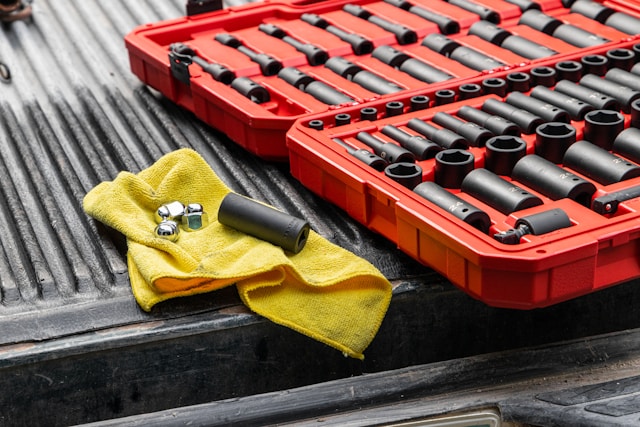
Car service kits have become a popular choice among drivers who want a convenient and effective way to maintain their vehicles. Whether you own a small city car, a family SUV, a diesel van, or a performance vehicle, regular servicing is one of the most important factors in preserving reliability, performance, and fuel efficiency.
Many vehicle problems develop gradually over time. Dirty filters, degraded oil, and worn service components may not cause immediate issues, but they can slowly reduce performance and increase wear on expensive engine parts. This is where car service kits provide real value. By combining the essential components required for routine maintenance into one package, they make it easier to keep a vehicle in excellent condition.
What Is Included in a Car Service Kit?
A service kit is designed to provide the parts needed during a scheduled vehicle service. The exact contents depend on the vehicle and service level, but most kits contain several key maintenance items.
Typical components include:
• Oil filter
• Engine air filter
• Cabin or pollen filter
• Fuel filter where applicable
• Engine oil
• Drain plug washer
Some vehicle-specific kits may also include spark plugs, transmission service items, or additional maintenance components recommended by the manufacturer.
Having everything supplied together eliminates the guesswork often associated with purchasing parts individually.
Why Regular Servicing Is So Important
Every vehicle experiences wear during normal operation.
As miles accumulate, engine oil becomes contaminated, filters collect dirt and debris, and critical systems gradually lose efficiency. Routine servicing helps restore performance and ensures components continue operating as intended.
Regular maintenance can help:
• Improve engine longevity
• Maintain fuel economy
• Reduce emissions
• Improve reliability
• Prevent unexpected breakdowns
• Protect resale value
Skipping service intervals may save money in the short term, but it often leads to significantly higher repair costs later.
Engine Oil: The Foundation of Engine Protection
One of the most important elements included in many car service kits is engine oil.
Engine oil performs several essential functions:
• Lubricates moving components
• Reduces friction
• Helps regulate temperature
• Prevents corrosion
• Removes contaminants
Over time, oil breaks down due to heat and contamination. As its protective qualities diminish, internal engine wear can increase.
Regular oil changes remain one of the simplest and most effective ways to extend engine life.
The Role of the Oil Filter
The oil filter works alongside engine oil to maintain engine cleanliness.
As oil circulates through the engine, the filter captures contaminants such as:
• Carbon deposits
• Dirt particles
• Metal fragments
• Combustion residues
A clogged or worn filter can reduce oil flow and compromise engine protection.
Replacing the oil filter whenever the oil is changed is considered best practice and forms a key part of most service schedules.
Air Filters and Engine Efficiency
Engines require a constant supply of clean air to operate efficiently.
The air filter prevents dust, dirt, and debris from entering the intake system. Over time, the filter becomes restricted, limiting airflow.
A dirty air filter may contribute to:
• Reduced power output
• Increased fuel consumption
• Poor acceleration
• Higher emissions
Replacing the air filter during servicing helps restore optimal airflow and maintain engine performance.
Cabin Filters Improve Driving Comfort
While engine components often receive the most attention, the cabin filter is equally important for occupant comfort.
Cabin filters help remove:
• Dust
• Pollen
• Road pollutants
• Fine airborne particles
A clogged filter can restrict airflow through the heating and air conditioning system while reducing air quality inside the vehicle.
For drivers who spend significant time on the road, replacing the cabin filter can noticeably improve comfort.
Fuel Filters Protect Modern Engines
Fuel systems have become increasingly sophisticated, particularly in modern diesel and direct-injection petrol engines.
Fuel filters help protect sensitive components by trapping contaminants before they reach:
• Fuel injectors
• High-pressure pumps
• Fuel rails
Replacing fuel filters according to manufacturer recommendations helps maintain performance and reduce the risk of costly repairs.
Many comprehensive car service kits include the appropriate fuel filter where required.
Choosing the Right Service Kit
Not all service kits are the same.
Selecting the correct kit depends on:
• Vehicle make and model
• Engine type
• Service interval requirements
• Manufacturer specifications
Vehicle-specific kits offer the advantage of compatibility, ensuring every component is designed to fit correctly and perform as intended.
This simplifies the maintenance process while reducing the likelihood of installation issues.
Signs Your Vehicle May Be Due for a Service
Even if you do not closely track service intervals, your vehicle may provide warning signs that maintenance is overdue.
Common indicators include:
• Reduced fuel efficiency
• Rough engine operation
• Increased exhaust smoke
• Poor acceleration
• Unusual engine noises
• Service warning messages
Addressing these symptoms promptly often prevents larger problems from developing.
DIY Servicing vs Professional Maintenance
Many drivers choose to perform routine servicing themselves using car service kits, while others prefer professional workshops.
DIY servicing offers:
• Cost savings
• Greater understanding of vehicle maintenance
• Flexibility and convenience
Professional servicing provides:
• Specialist knowledge
• Diagnostic equipment
• Service records
• Expert inspections
Both approaches can be effective when quality parts and proper procedures are used.
The Long-Term Financial Benefits of Regular Servicing
Some vehicle owners view servicing purely as an expense. In reality, it is often one of the most cost-effective investments in vehicle ownership.
Routine maintenance helps reduce:
• Major engine repairs
• Premature component failures
• Unexpected breakdowns
• Fuel costs caused by inefficiency
A well-maintained vehicle is also typically worth more when it comes time to sell or trade it in.
Car service kits offer an efficient and practical solution for keeping vehicles properly maintained. By combining essential service components into a single package, they simplify routine maintenance while helping drivers protect engine performance, reliability, and fuel economy.
Whether you maintain your vehicle at home or rely on professional servicing, using a high-quality service kit ensures that critical components are replaced at the appropriate intervals. In the long run, regular servicing not only improves driving performance but also helps reduce repair costs and extend the life of the vehicle, making it one of the smartest decisions any vehicle owner can make.
No Responses